Seasonal Insights: Preparing Your Investment Portfolio for Economic Shifts


Understanding Seasonal Economic Shifts
Investing is as much about timing as it is about strategy. Understanding the nuances of seasonal economic shifts can provide investors with valuable insights that could enhance their portfolio performance. These shifts often align with changes in fiscal policies, consumer behavior, and global market trends, making it crucial for investors to stay informed.
Seasonal patterns in the economy are not just about weather changes; they are deeply connected to cycles that affect industries, consumption, and overall economic sentiment. Recognizing these patterns can help investors anticipate market movements and make informed decisions.
Key Seasonal Trends to Watch
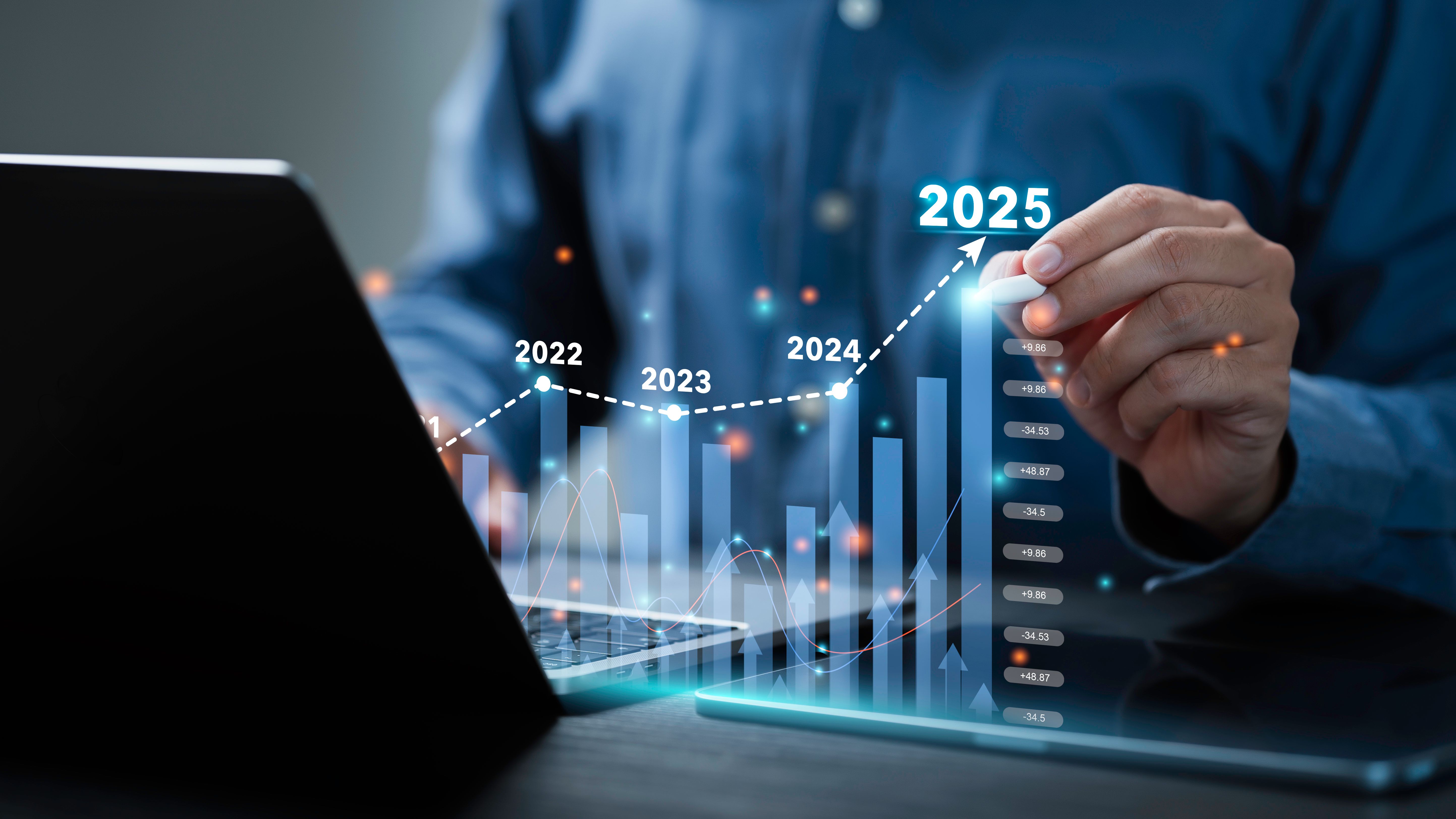
Several key trends reappear annually, affecting various sectors differently. For instance, retailers often experience a surge in sales during the holiday season, while construction companies might slow down in colder months. These predictable patterns can guide investment choices and portfolio adjustments.
Another significant trend is the "January effect," where stock prices tend to rise in the first month of the year. This can be attributed to increased buying after tax-loss harvesting in December, creating opportunities for savvy investors.
Adapting Your Investment Strategy
To effectively prepare your portfolio for these shifts, consider diversifying across sectors that perform well in different seasons. This strategy not only mitigates risk but also positions your investments to capitalize on seasonal peaks.
For instance, an investor might increase holdings in retail and logistics companies leading up to the holiday season, while shifting focus to tech stocks in the post-holiday period when consumer tech purchases surge.

Monitoring Economic Indicators
Keeping an eye on economic indicators can also provide insights into upcoming shifts. Key indicators include GDP growth rates, unemployment figures, and consumer confidence indexes. These metrics can signal changes in economic momentum and help investors adjust their strategies accordingly.
Additionally, central bank policies and interest rate announcements can significantly impact market dynamics. Staying informed about these developments can enable investors to anticipate market reactions and adjust their portfolios in advance.
Utilizing Technology for Better Insights
The advent of technology has made it easier than ever to track seasonal trends and economic indicators. Various tools and platforms offer real-time data and analysis, enabling investors to make informed decisions quickly.
These technologies allow for more precise tracking of market conditions and help investors identify opportunities that align with their risk tolerance and investment goals.
Conclusion: Staying Informed and Flexible
In conclusion, preparing your investment portfolio for economic shifts involves understanding seasonal patterns, adapting strategies, and staying informed about economic indicators. By taking a proactive approach, investors can better navigate market fluctuations and optimize their portfolio performance.
Remember, the key to successful investing in the face of seasonal changes is staying flexible and ready to adjust your strategy as new information becomes available. With the right insights and tools, you can turn seasonal shifts into opportunities for growth.