Emerging Trends in Real Estate Investing: What You Need to Know


Understanding the Shifts in Real Estate Investment
The real estate market is constantly evolving, and staying ahead of the curve is crucial for investors looking to maximize returns. Emerging trends are reshaping how investments are approached, and understanding these shifts can provide a competitive edge. From technological advancements to changing demographics, several factors are influencing the landscape.

Technology and Real Estate: A Digital Transformation
Technology is revolutionizing the real estate industry, introducing new opportunities and challenges. The rise of PropTech—property technology—has streamlined processes such as property management, buying, and selling. Innovations like virtual reality tours, AI-driven analytics, and blockchain transactions are making real estate more accessible and efficient.
Investors need to embrace these digital tools to stay competitive. By leveraging data analytics, for instance, investors can make more informed decisions, identifying lucrative markets and potential risks with greater accuracy.
Sustainable and Eco-Friendly Investments
As environmental concerns become increasingly prominent, there is a growing demand for sustainable and eco-friendly properties. Investors are now focusing on green buildings that offer energy efficiency and reduced environmental impact. This trend not only caters to a more environmentally conscious consumer base but also promises long-term cost savings and increased property value.
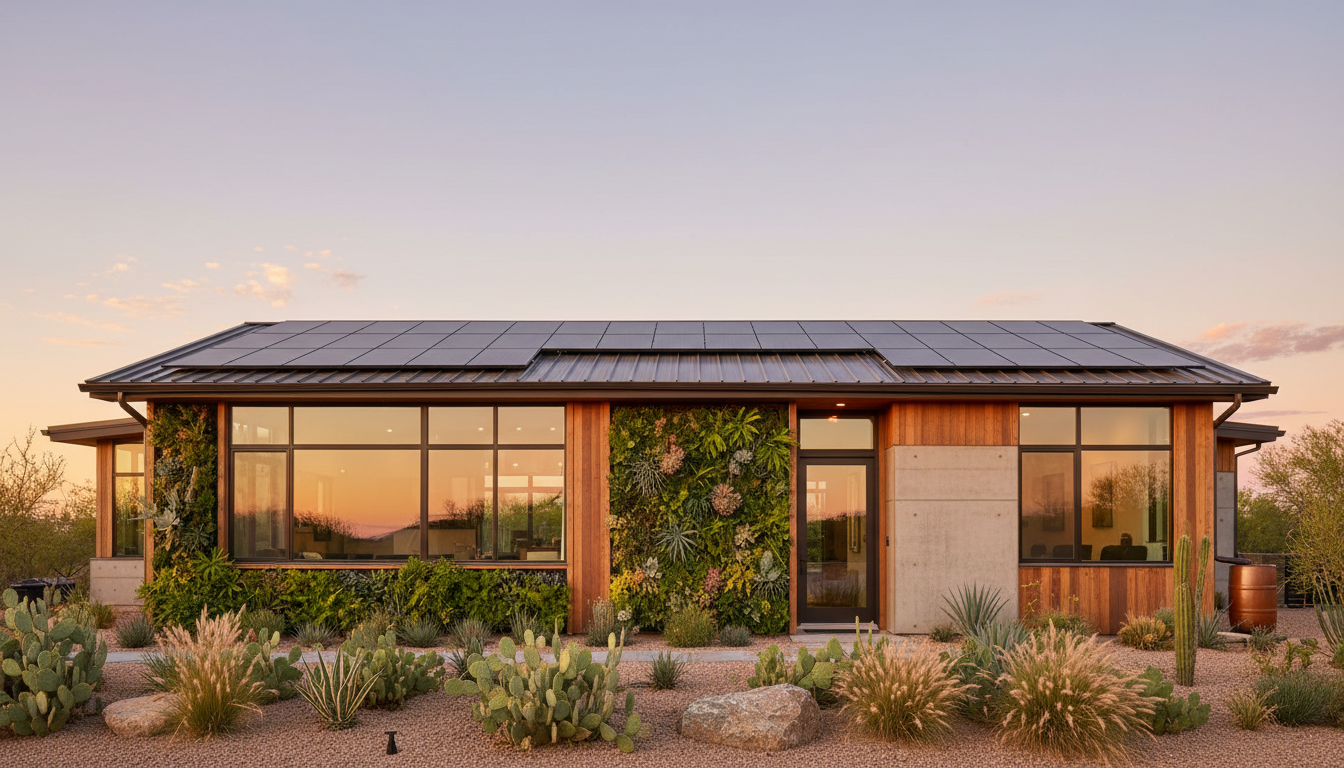
Developers are incorporating features such as solar panels, energy-efficient appliances, and sustainable materials to attract buyers and renters who prioritize environmental responsibility.
The Rise of Co-Living Spaces
Co-living spaces are gaining popularity, particularly among millennials and young professionals. These communal living arrangements offer affordability and flexibility, making them an attractive option in urban areas where the cost of living is high. Investors are capitalizing on this trend by developing properties that cater to the co-living model, which often includes shared amenities and social spaces.
This shift not only reflects changing lifestyle preferences but also highlights a desire for community and connection in living environments.

Demographic Shifts and Their Impact
Demographic changes are another crucial factor in shaping real estate investment trends. The aging baby boomer population is driving demand for retirement communities and healthcare facilities, while millennials are entering their peak home-buying years, influencing the types of properties being developed.
Understanding these demographic trends enables investors to make strategic decisions about where and how to allocate their resources, ensuring they meet the needs of various age groups.
Investing in Secondary Markets
With the competition fierce in major metropolitan areas, many investors are turning their attention to secondary markets—smaller cities with growing populations and economies. These areas often offer lower entry costs and higher potential for growth, making them attractive alternatives for savvy investors.

Investing in secondary markets can diversify portfolios and reduce risk, providing more stability in volatile economic climates.
Conclusion: Adapting to a Dynamic Environment
The real estate investment landscape is dynamic, with new trends continually emerging. By staying informed and adapting to these changes, investors can position themselves for success. Whether it's embracing technology, focusing on sustainability, or exploring new markets, understanding these trends is essential for making strategic investment decisions.