Case Study: Successful Real Estate Investment Funding in Wake County


Introduction to Real Estate Investment in Wake County
Real estate investment has always been a lucrative avenue for building wealth. Wake County, with its thriving economy and growing population, presents a particularly enticing opportunity for investors. In this case study, we explore a successful real estate investment funding project that highlights the strategies and outcomes achieved.
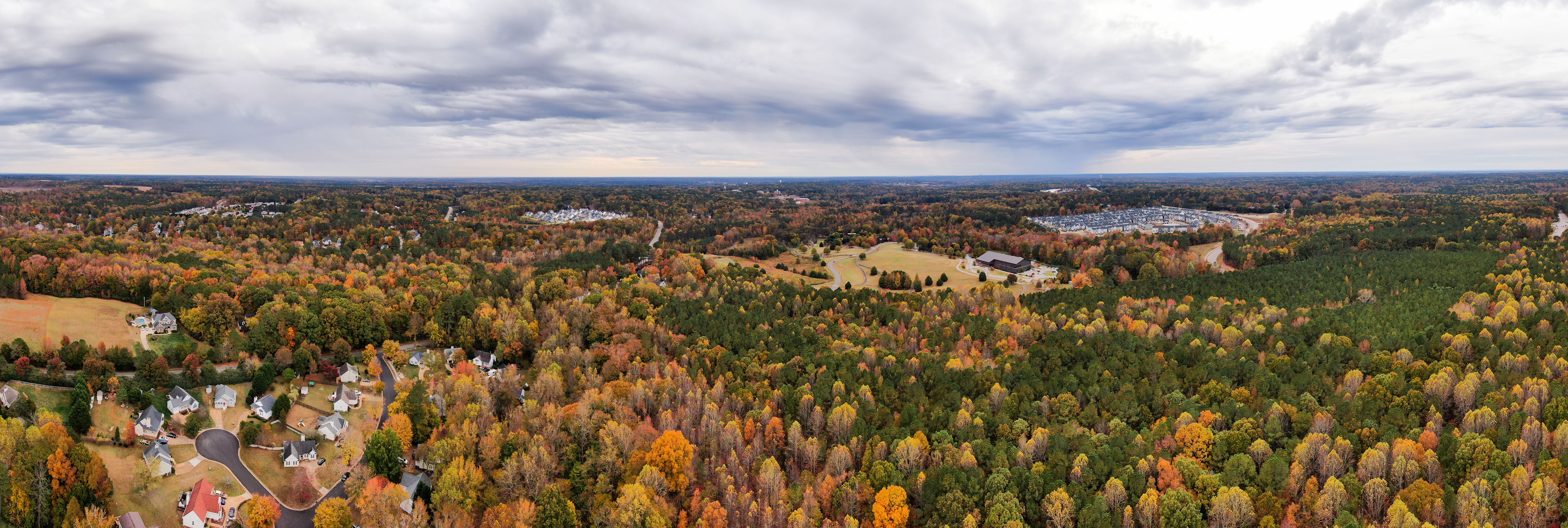
Wake County is not only known for its beautiful landscapes but also for its robust real estate market. The combination of a strong local economy and a steady influx of new residents has fueled demand for both residential and commercial properties.
Identifying the Opportunity
Investors in this case study identified a promising opportunity in a burgeoning neighborhood within Wake County. The area was undergoing significant development, with new amenities and infrastructure being introduced. This made it an ideal location for real estate investment.
The existing properties were undervalued, offering a potential for substantial returns. Investors conducted a thorough market analysis to understand the dynamics and projected growth, ensuring that the investment decision was based on solid data.
Market Analysis and Research
Comprehensive research was conducted to assess the neighborhood's potential. Key factors included:
- Population growth trends
- Employment rates and job opportunities
- Infrastructure development plans
- Comparative property values in surrounding areas

Securing Investment Funding
Once the opportunity was identified, the next step was to secure funding. The investors opted for a combination of traditional bank loans and private equity. This approach allowed them to leverage capital efficiently while minimizing risk.
Partnerships with local banks provided favorable loan terms, while private investors were attracted by the potential high returns. This strategic blend of funding sources ensured the project was well-financed from the start.
Collaboration with Financial Institutions
Establishing strong relationships with financial institutions was crucial. The investors worked closely with bank representatives to negotiate terms and secure the necessary capital. This collaboration was pivotal in aligning the financial goals of all parties involved.

Implementation and Project Management
With funding secured, the project moved into the implementation phase. A skilled project management team was assembled to oversee the development process. This team was responsible for ensuring that construction stayed on schedule and within budget.
Regular updates and transparent communication were maintained with all stakeholders, ensuring that everyone was aligned with the project's goals and progress. The use of modern project management tools facilitated efficient coordination and execution.
Challenges and Solutions
Like any real estate project, challenges arose during implementation. These included unexpected construction delays and regulatory hurdles. However, proactive problem-solving and strategic adjustments allowed the team to navigate these obstacles successfully.
Outcomes and Success Metrics
The project concluded with outstanding success, exceeding initial projections. Property values in the area increased significantly, yielding impressive returns for the investors. The development also enhanced the community by providing new housing and commercial spaces.
Key success metrics included:
- Return on Investment (ROI) exceeding 25%
- Increased property value appreciation by 30%
- Positive community impact and improved local amenities

Conclusion
This case study demonstrates the potential of real estate investment in Wake County. By identifying promising opportunities, securing diverse funding sources, and managing projects effectively, investors can achieve remarkable success. The strategic approach outlined here serves as a blueprint for others looking to capitalize on similar opportunities in thriving markets.